
Transformative Technology for Your Healthcare Network
The healthcare industry is a major contributor to the U.S. economy and employs 22 million workers, one of the largest and fastest-growing sectors in the United States accounting for 14% of all U.S. workers. It includes a wide range of occupations, from doctors and nurses to administrative staff and support workers. They provide a variety of services, including medical treatment, preventive care, and support services, to patients in hospitals, clinics and other healthcare settings.
Over the past 5 years, the healthcare industry has experienced unprecedented change by digitally transforming the way in which hospitals, healthcare centers, care providers, and insurance companies communicate with patients and each other. Healthcare networks are being upgraded to support cloud initiatives such as an Electronic Medical Record (EMR) aka Electronic Health Record (EHR) that a healthcare provider can access over the cloud from anywhere at any time. Companies like Cerner Corp who was acquired by Oracle, are key players in this space and are helping to digitize the experience for the patient and care provider.
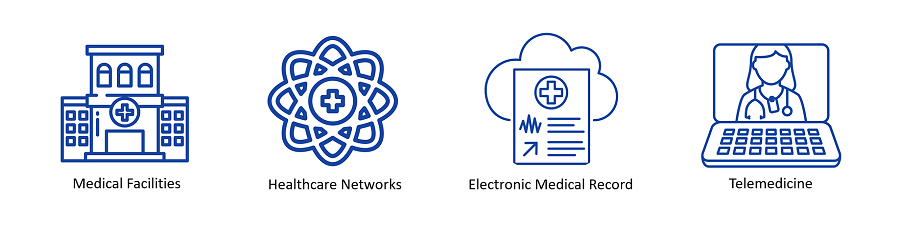
The Shift to Anywhere Care
The healthcare system has embraced new modes of operating, including implementing the latest in healthcare technology. Technology has long paved the way for less in-person, time consuming routine interactions with a care provider but has become ubiquitous with check-ups, consultations, and mental health treatments.
The current trends shaping healthcare today include:
- Artificial Intelligence
- Wearable Medical Devices
- Online Portal Services
- Personalized Healthcare Experiences
- Retail Healthcare
- Remote Healthcare – Telehealth, Virtual Hospitals, Healthcare Communities
Remote treatments need remote access
“Virtual care” provides ease, flexibility, and a healthy workforce. However, if the hospital network goes down, then so does access to all the patient and billing information. A Total OOB™ solution from Gearlinx™ provides secure remote access, cellular failover, automation, cloud-based centralized management and is critical to ensure healthcare continuity of service across the ecosystem.
Downtime is not an option when a nurse or physician is trying to diagnose or prescribe treatment to a patient. A healthcare system has many locations and points of potential failure, including hospital data centers, telecommunication closets, surgery centers, clinics, rehab centers, and pharmacies. These locations all have routers, switches, firewalls, load balancers, power distribution units, ups systems and limited IT staff to keep the network online.
Electronic Health Record outages can have a negative impact on the provision of patient care. 60% of hospitals have experienced at least one EHR outage and 20% of those lasted for more than 8 hours. The main causes of EHR outages are hardware malfunctions, internet connectivity issues, power failures and hacking incidents.
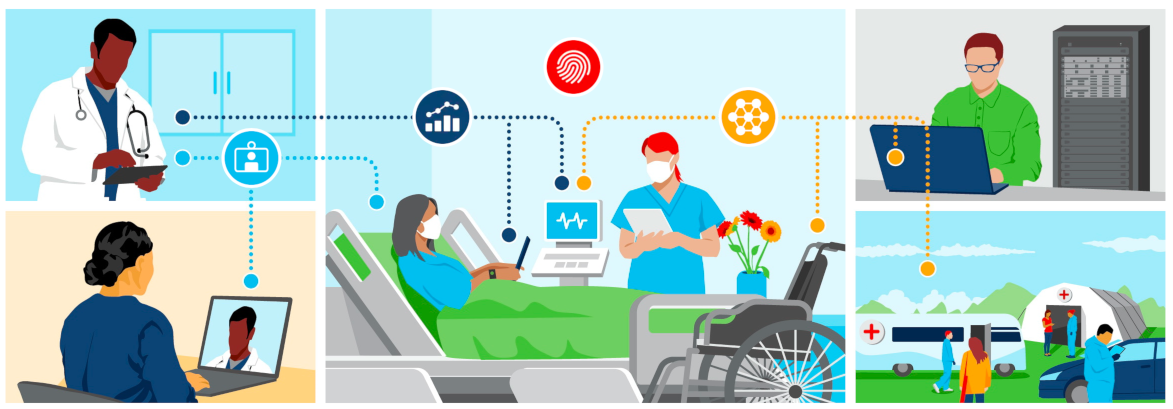
Gearlinx™ Network Resilience Platform
Gearlinx™ is a trusted partner for out-of-band management, cellular failover and automation in the healthcare industry. The NR4400 and Duckfone™ Network Resilience as a Service™ Platforms provide the simplicity, flexibility, security, and speed to remotely access, failover, and remediate network issues when they occur. This ensures a good, consistent patient healthcare outcome.
ZERO’s cloud-managed out-of-band management portal ensures Operational Resilience is always achieved and regulatory and compliance initiatives are met. An infrastructure audit of subscriptions, serial numbers, and warranty is at your fingertips to make real time business decisions.
Compliance and Privacy Assurance
The healthcare industry has strict compliance and security policies. HIPPA compliance was introduced in 1996 and is the definitive standard for health care providers who transmit and maintain private records. A disruption such as a network outage could result in a privacy and security compromise that could ultimately result in fines.
All hospitals and other HIPPA-covered entities are required to have a contingency plan for disruptions such as a network outage. A Gearlinx™ Network Resilience Platform provides a disaster recovery solution and emergency mode operations plan to ensure critical business processes can continue in emergencies while maintaining compliance.